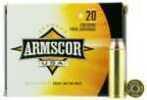
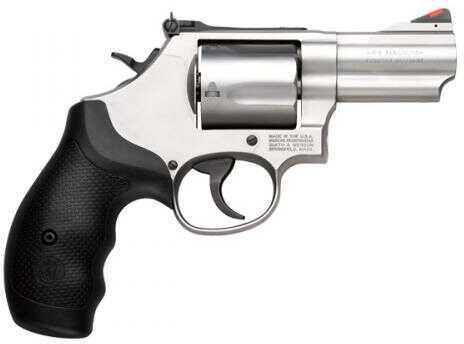
Smith & Wesson L-Frame revolvers are built to suit the demands of the most serious firearms enthusiast. Available in six and seven shot cylinders, the L-Frame has a strong, durable frame and barrel built for continuous Magnum usage. As police officers and hunters will attest, this firearm is made to withstand heavy use.
First L-Frame in .44 Magnum®
Features
• Ball-Detent Lock-Up
• 2-Piece Barrel
• Full-Length Extractor Rod
Specifications:
Model: Model 69 Combat Magnum®
Caliber: .44 Magnum
Capacity: 5
Barrel Length: 2.75" / 6.9 cm
Overall Length: 7.8"
Front Sight: Red Ramp
Rear Sight: White Outline, Adjustable
Action: Single/Double Action
Grip: Synthetic
Weight: 34.4 oz / 975.2g
Cylinder Material: Stainless Steel
Barrel Material: Stainless Steel
Frame Material: Stainless Steel
Purpose: Competition Shooting, Home Protection, Recreational Shooting
Caliber Dictionary
The Below Information Has Been Provided From Our Gun Caliber Dictionary And Is Meant For Informational Purposes Only. It Is Not Intended to Describe The Unique Specifications For This Ammunition.
The 44 Remington Magnum (44 Magnum) was introduced by Remington and Smith & Wesson in 1955 in S&W's large-frame Model 29 revolver. Much credit much be given to gunwriter Elmer Keith, who wanted a more powerful revolver cartridge for handgun hunting. Keith had been experimenting with heavy 44 Special handloads, using that cartridge because its brass was heavier than older blackpowder revolver cartridges. The 44 Magnum is essentially a 44 Special case lengthened to 1.285 inches, using the same .429-inch bullet diameter. For many years the world's most powerful handgun cartridge, the 44 Magnum has been proven adequate for all North American big game. Although now surpassed by several big revolver cartridges the 44 Magnum remains a fine hunting cartridge with recoil levels at the limit that many handgunners can deal with. The most common bullet weight is 240 grains, but 44 Magnum loads are available up to 340 grains. The 44 Magnum is widely chambered to handguns and carbines. — Craig Boddington